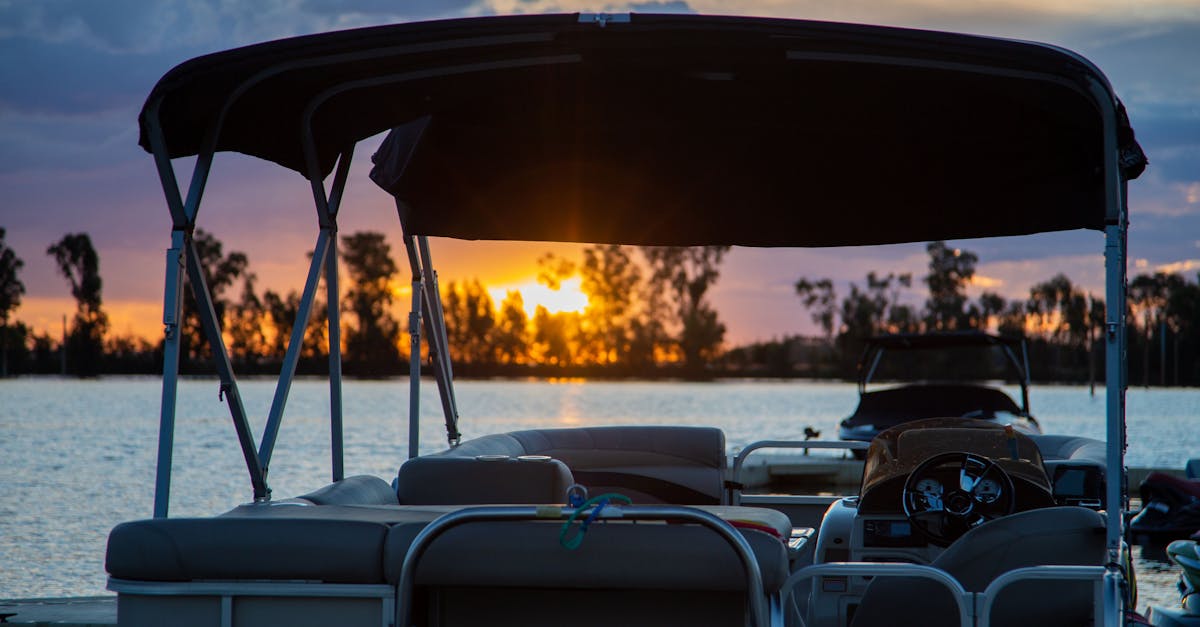
Top Charcoal and Gas Options for Pontoon BBQs
Table Of Contents
Safety Tips for Using BBQs on Pontoons
Operating a BBQ on a pontoon requires careful attention to safety. Always ensure that your BBQ is positioned away from any flammable materials and securely anchored to prevent tipping. Maintaining a safe distance from the edge of the pontoon, as well as ensuring proper ventilation, will mitigate the risk of fire hazards. It's also advisable to have a fire extinguisher on hand specifically rated for BBQ fires, just in case.
Before starting your cooking session, check local regulations regarding open flames on watercraft. Weather conditions can change quickly so be mindful of wind speed and direction. When cooking, keep children and pets a safe distance away to prevent accidents. After use, allow the BBQ to cool completely before moving or stowing it away. Following these precautions will enhance your BBQ experience while prioritising the safety of all onboard.
Essential Guidelines to Follow
When setting up your BBQ on a pontoon, ensure that it is placed on a stable surface and securely anchored. This reduces the risk of the grill tipping over, especially during boat movement. Keep flammable materials away from the BBQ and always have a fire extinguisher onboard, as a precaution. It's also wise to check the local regulations regarding BBQ usage on watercraft, as some areas may have restrictions in place.
Once the BBQ is lit, maintain a watchful eye on it at all times. Avoid distractions, as even a moment of inattention can lead to accidents. Make certain that the handle and grill components are cool enough to touch before moving or cleaning them. After grilling, properly dispose of charcoal ash or fat drippings to prevent fires and maintain the cleanliness of your boat. Prioritising safety will ensure a more enjoyable and worry-free BBQ experience on the water.
Maintenance Practices for Charcoal BBQs
To keep a charcoal BBQ in optimal condition, it's essential to clean the grill grates after each use. A wire brush can effectively remove food remnants and prevent rust from developing. Make sure to also clean the ashes and residue from the charcoal tray to ensure proper airflow during future cooking sessions. Regular maintenance helps to improve cooking efficiency and prevents unpleasant flavours from developing during grilling.
Periodically checking the integrity of the charcoal BBQ components is equally vital. Inspect the body for any signs of corrosion and ensure that all parts, such as the vents and handles, are functioning correctly. Replacing worn-out parts promptly contributes significantly to the overall lifespan of the BBQ. Additionally, consider storing the BBQ under a protective cover when not in use to shield it from the elements and prolong its durability.
Keeping Your BBQ in Top Shape
Regular maintenance of a charcoal BBQ involves a few straightforward steps to ensure optimal performance. After each use, it’s critical to clean the grates with a brush to remove any food residue and avoid unpleasant flavours in future meals. Ashes should also be disposed of properly when completely cooled, as they can attract moisture and promote rust. Periodically, a thorough cleaning of the charcoal chamber can prevent buildup that may affect air circulation and heat distribution during cooking.
Seasoning the grates is another essential practice that enhances the lifespan of your BBQ. Applying a thin layer of vegetable oil can create a non-stick surface and protect against rust. Additionally, inspecting the BBQ for signs of wear, such as cracks or corrosion, keeps it functioning efficiently and safely. Covering the BBQ when not in use can shield it from harsh weather conditions, ensuring that it remains in great condition for your next outing.
Gas BBQ Maintenance Essentials
Regular maintenance is crucial for keeping a gas BBQ in optimal working condition. Ensuring that the burners are clean and free from debris is essential for proper heat distribution. Inspect gas connections for leaks using a soapy water solution. Bubbling indicates a gas leak, which requires immediate attention. Additionally, the ignition system should be tested periodically to confirm reliable start-up.
Protecting the BBQ from the elements helps extend its lifespan. Covering it with a durable, weather-resistant cover when not in use prevents rust and corrosion. After each cooking session, give the grates a good scrub to remove residue and prevent flare-ups during future use. Regularly checking and replacing hoses, if necessary, guarantees safe operation, as worn hoses can pose a significant hazard.
Ensuring Longevity and Performance
Regular checks on gas connections are crucial to maintain safety and efficiency. Ensure that hoses are free from cracks or leaks. The presence of gas smells should prompt immediate investigation. Keeping these components in good condition will help prevent accidents and keep your BBQ functioning optimally. Additionally, a clean burner will improve heat distribution and fuel efficiency.
Periodic thorough cleaning of the entire grill enhances performance over time. Debris buildup can restrict airflow and impact cooking quality. A detailed inspection allows identification of worn-out parts that may need replacement. Using high-quality fuel contributes to better performance alongside proper maintenance. Investing time in these practices will ensure that your gas BBQ remains a reliable cooking companion for many outings.
FAQS
What are the best charcoal options for pontoon BBQs?
Some of the best charcoal options for pontoon BBQs include lump charcoal and briquettes, as they provide steady heat and flavour, while being easy to manage on a pontoon.
How do I safely use a gas BBQ on a pontoon?
To safely use a gas BBQ on a pontoon, ensure proper ventilation, keep the BBQ away from flammable materials, and regularly check for gas leaks before use.
What maintenance practices are essential for charcoal BBQs?
Essential maintenance practices for charcoal BBQs include regular cleaning of the grill grates, checking the vents for blockages, and storing the BBQ in a dry place to prevent rust.
How can I ensure the longevity of my gas BBQ?
To ensure the longevity of your gas BBQ, perform routine checks on the gas lines, clean the burners and grates after each use, and cover the BBQ when not in use to protect it from the elements.
Are there any specific safety tips for using BBQs on water?
Yes, always have a fire extinguisher on hand, avoid BBQing near the edge of the pontoon, and never leave the BBQ unattended while in use to prevent accidents.
Related Links
Bringing Your Own BBQ Accessories: What You NeedEssential Sauces and Marinades for BBQs on the Water
BBQ Safety Gear Every Renter Should Have
Recommended Serving Ware for Pontoon BBQs
Fresh Seafood Choices for BBQ on the Water
Best Practices for Transporting BBQ Equipment
Portable Grill Options for Melbourne Pontoon Rentals
Ideal Ingredients for a Pontoon BBQ Feast