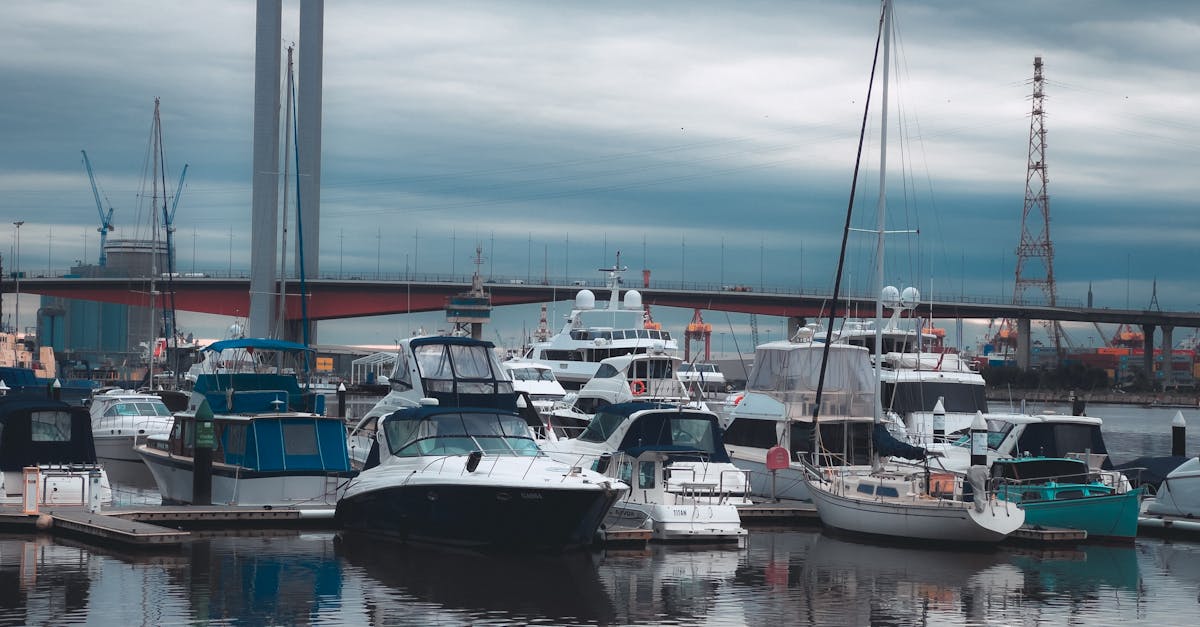
Guidelines for Safe Swimming Near BBQ Pontoon Boats
Table Of Contents
Communication with Swimmers
Clear and effective communication is essential when swimming near BBQ pontoon boats. Swimmers should be familiar with any signals or gestures that indicate safety protocols, such as when it is safe to approach the boat or when to stay away. Establishing these signals before anyone enters the water can help prevent misunderstandings and ensure everyone maintains awareness of their surroundings.
Using a whistle or a brightly coloured flag can serve as a visual and auditory cue for swimmers. This arrangement allows those in or near the water to respond quickly and follow instructions from those on the boat. Regular check-ins between swimmers and those on the pontoon reinforce safety and make it easier to manage any potential risks associated with swimming activities in proximity to BBQ pontoon boats.
Establishing Safe Signals
Clear and effective communication is essential when swimming near BBQ pontoon boats. Establishing a set of hand signals or verbal cues can help ensure everyone on board and in the water understands the situation. Participants should agree on these signals before swimming begins, allowing for quick recognition of instructions or warnings. For instance, a raised hand could indicate that swimmers should return to the boat, while a specific gesture could signal the need to stop.
It is equally important to keep these signals simple and easy to remember. This way, swimmers can easily respond without confusion. Regularly checking in with swimmers and ensuring that they are aware of the agreed-upon signals enhances safety. By reinforcing these communication methods, everyone involved can enjoy their time on the water while prioritising safety and awareness.
Distance from the Boat
When swimming near BBQ pontoon boats, it's essential to maintain a safe distance from the vessel. This helps reduce the risk of accidents, especially when people are cooking or moving around the boat. Establishing a clear boundary between swimmers and the pontoon ensures that everyone enjoys the water safely. An appropriate distance can vary depending on the boat's activities, but a minimum of 10 to 15 metres is generally advised when swimming recreationally.
Swimmers should be mindful of the pontoon's movement. Waves generated by the boat can create a rough swimming area. Swimmers should always keep their eyes on the boat, ensuring they remain aware of its position and activities. Avoiding areas directly behind or at the sides of the boat reduces the likelihood of unexpected encounters with patrons or equipment. Prioritising these distance guidelines contributes to a safer environment for everyone involved.
Maintaining a Safe Swimming Range
Swimming in proximity to a BBQ pontoon boat requires careful consideration of distance. Swimmers should maintain a safe buffer zone around the boat to avoid accidents. The typical recommendation is to stay at least 10-15 metres away, depending on the size and activity surrounding the pontoon. This distance helps prevent any unintended contact with the boat or its equipment. Additionally, it minimises the risk of being inadvertently splashed or disturbed by ongoing food preparation or other activities taking place onboard.
When setting up a swimming area, clarity in designated zones fosters a safer environment. Swimmers should be encouraged to stick to a specific area away from the boat, ensuring that everyone understands where swimming is permitted. Periodic reminders can reinforce awareness of boundaries. Establishing clear markers in the water or on the shore can also help swimmers gauge their distance from the pontoon. Keeping an eye on the movement of boat traffic nearby further enhances safety and allows swimmers to react appropriately to their surroundings.
Awareness of Surroundings
Being vigilant about the environment while swimming is crucial for ensuring safety. Swimmers should constantly scan the water for obstacles such as submerged logs, rocks, or fishing gear. Watching for changing weather conditions is important as well. Wind and sudden storms can create dangerous situations quickly, making it essential to stay updated on the forecast.
Another factor to consider is the presence of other watercraft in the vicinity. Boaters may not always see swimmers, increasing the risk of accidents. Designated swimming zones help mitigate this risk, and swimmers should adhere to these areas whenever possible. Keeping an eye out for signals from nearby boaters can also enhance safety, especially in crowded areas where visual communication may be necessary.
Identifying Potential Hazards
Swimmers must remain vigilant about their surroundings to ensure safety while enjoying the water. Look out for nearby boat traffic, which can pose a dangerous threat. Anticipating the movement of other vessels helps prevent collisions. Additionally, be aware of natural hazards such as submerged rocks, floating debris, or sudden changes in water depth. Familiarising yourself with the swimming area before diving in can provide valuable insight into potential risks.
It is also essential to recognise weather conditions that may change rapidly. Strong winds, lightning, or sudden rain can create unsafe situations. Wind-driven waves may cause rough water, pushing swimmers towards the pontoon boat unintentionally. Educating all swimmers, especially children, about identifying these hazards can significantly reduce the risk of accidents. Always prioritising safety ensures a more enjoyable experience for everyone involved.
FAQS
What are the best ways to communicate with swimmers while using a BBQ pontoon boat?
Establish clear verbal signals and hand gestures that everyone understands. It’s important to have a designated person on the boat responsible for maintaining communication with swimmers.
How far should swimmers stay from the BBQ pontoon boat?
Swimmers should maintain a safe distance of at least 10 to 15 metres from the boat to avoid any potential hazards, such as cooking equipment or moving parts.
What types of hazards should swimmers be aware of when near a BBQ pontoon boat?
Swimmers should look out for hot surfaces, cooking utensils, and any fuel or gas lines. It's also important to be aware of any other boats or watercraft nearby.
Can children swim near BBQ pontoon boats?
Yes, but children should always be supervised by an adult, and they should be instructed on the importance of keeping a safe distance from the boat and its activities.
What should I do if I notice someone swimming too close to the BBQ pontoon boat?
Immediately communicate with the swimmer to guide them back to a safe distance. It’s important to remain calm and use clear signals to ensure they understand the need to move away from the boat.
Related Links
Best Practices for Alcohol Consumption on BBQ RentalsKnowing Emergency Procedures for BBQ Pontoon Rentals
How to Conduct a Safety Briefing Before Board
Importance of Fire Safety on BBQ Pontoon Boats
Tips for Safe BBQ Cooking while on a Pontoon Boat
Understanding Weather Conditions for BBQ Boat Safety